FileBlog
Notes from the workout desk
On draw cycles, watch lists and reading a construction site from above.
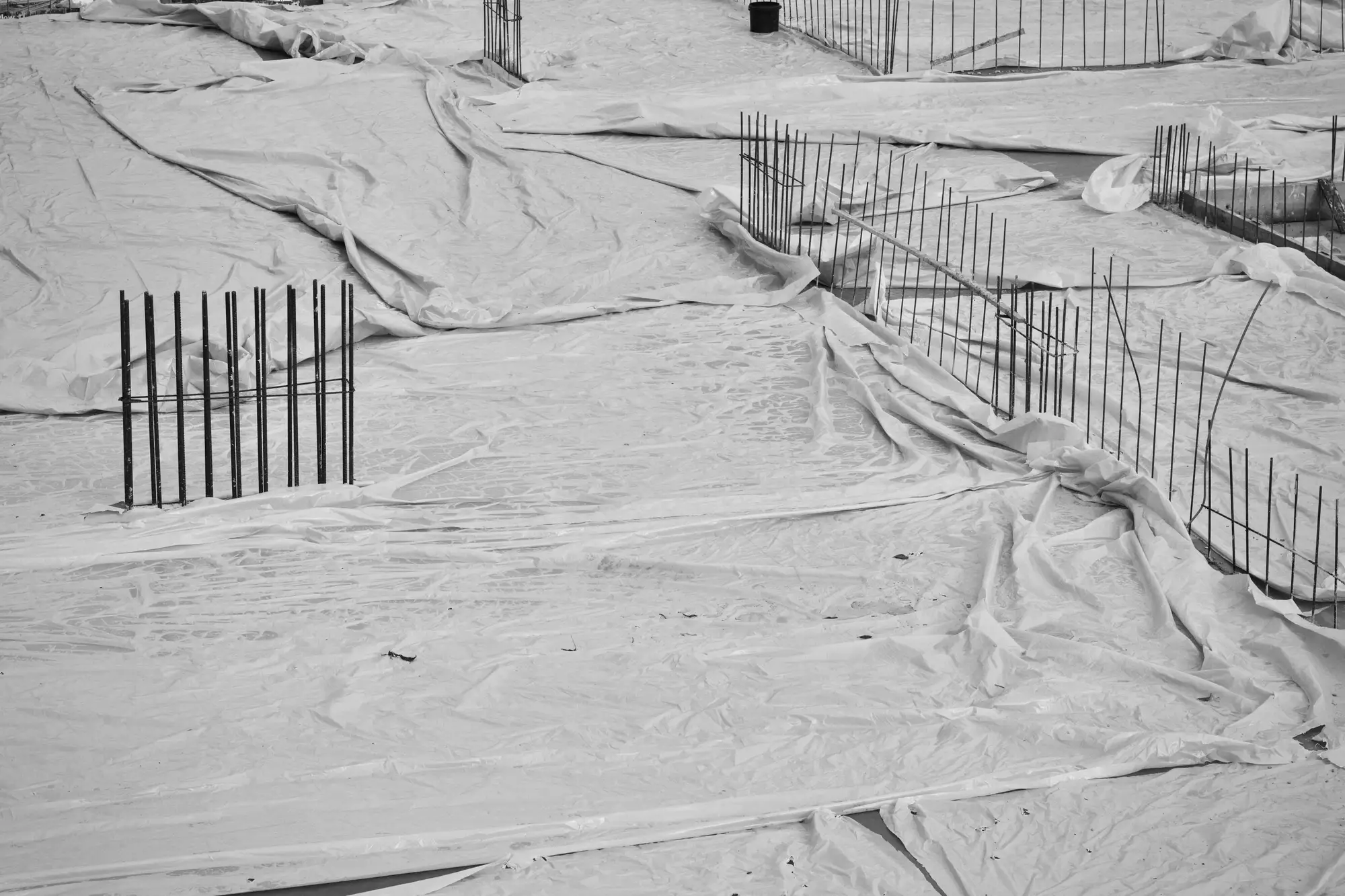
Field notes: the site we almost closed the file on, until the crane came back
A workout officer's notes on a file that looked dead for two reporting cycles, then wasn't. What that near-miss taught about trusting the quiet.
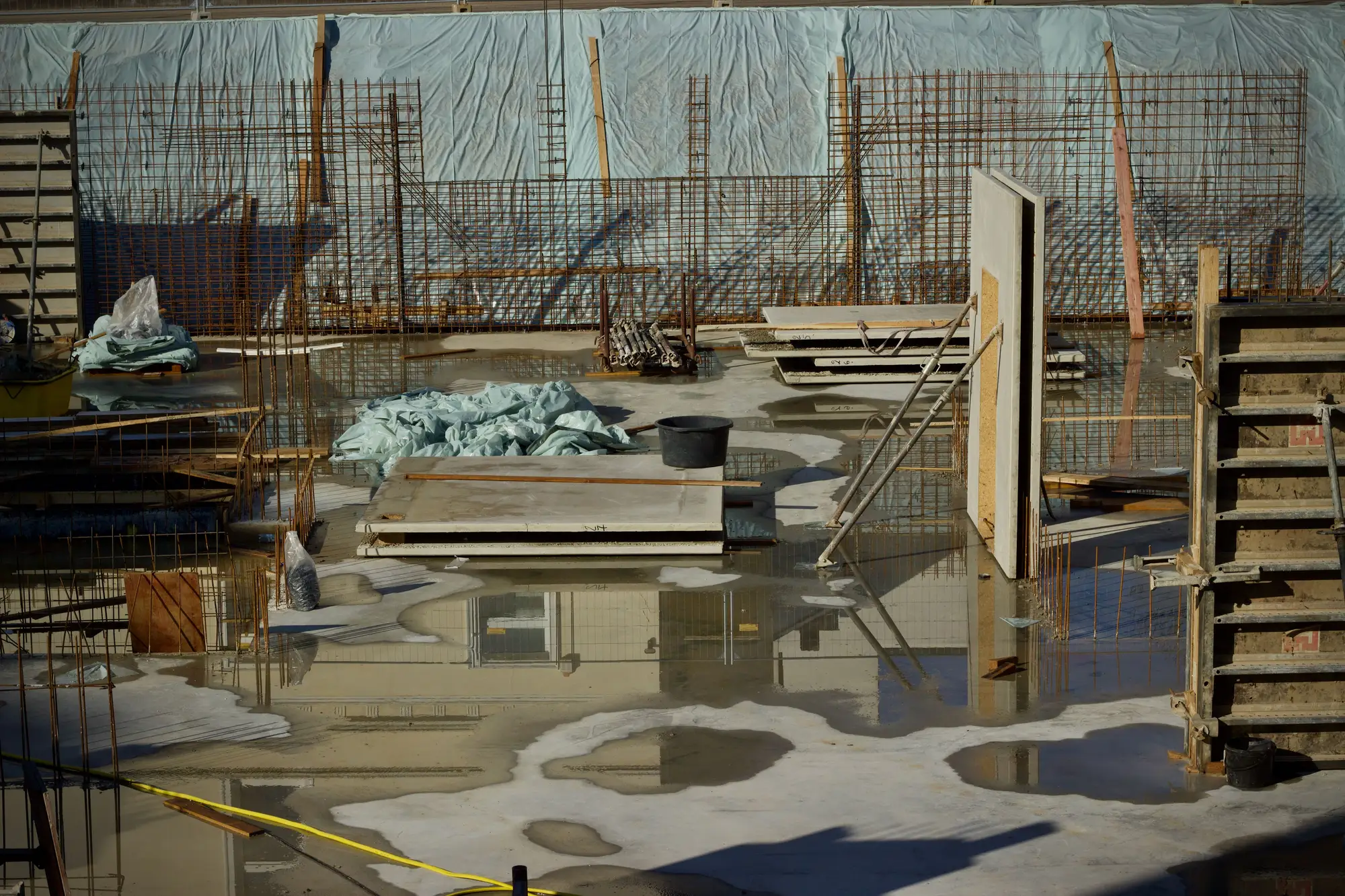
What a cross-default clause means when one site goes quiet
How a cross-default clause turns one stalled job into portfolio-wide risk, and why workout officers can't wait on borrower reporting to find out.
How long can a job site sit idle before a lender calls it stalled?
No single day count makes a site "stalled." Here's how workout officers read idle time, no plant on site, and standing water.
What is a performance bond, and when does the surety step in on a stalled project?
What a performance bond covers, who the obligee is, and why the surety's claims process lags weeks behind a site going quiet.
Field notes: the winter three sites went quiet, and only one needed a workout
A workout officer's winter field notes on three stalled sites, and why only one of them was in trouble.
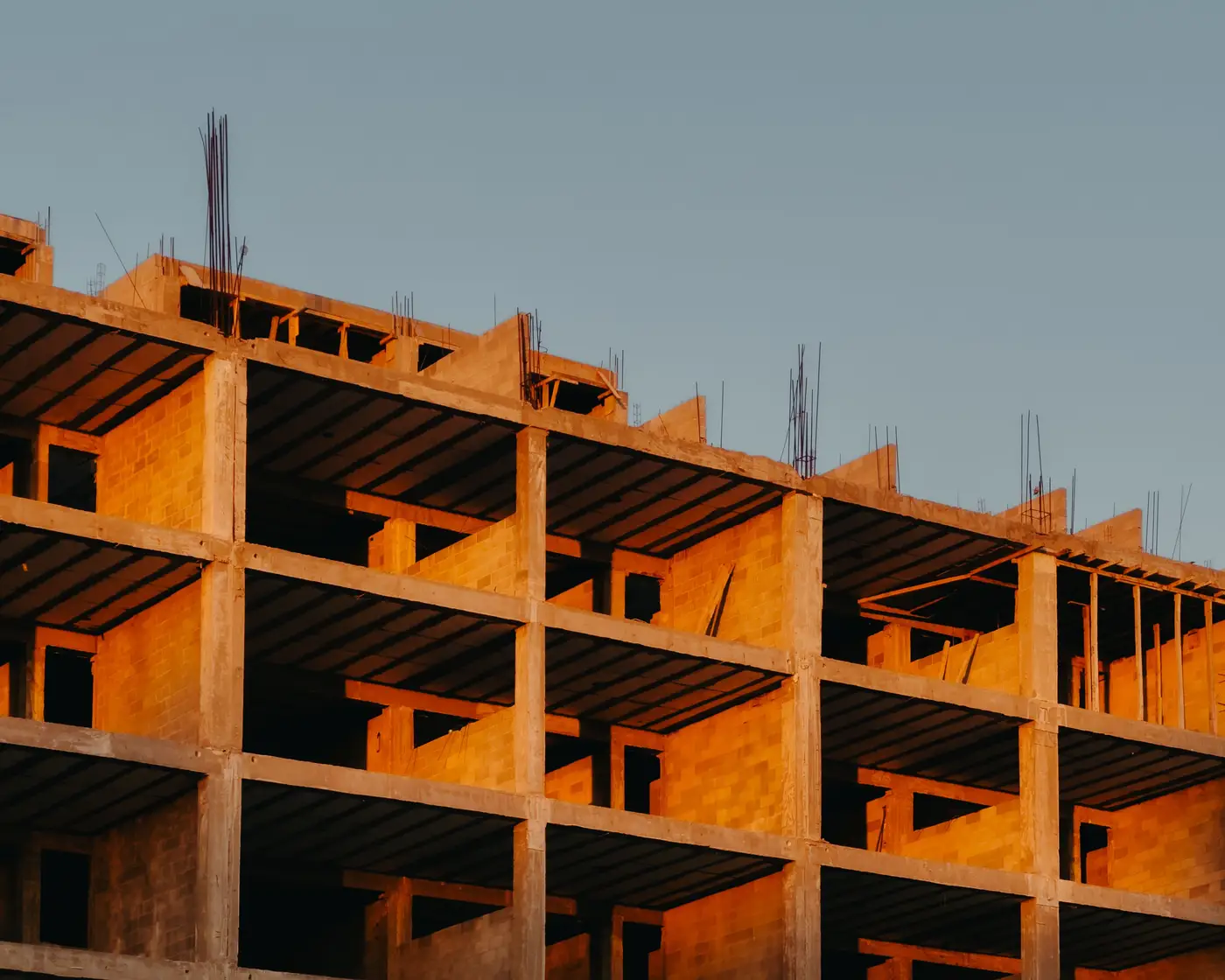
Notice of default in construction lending: what triggers one
What a notice of default means in construction lending, monetary vs. covenant default, and how cure periods work on a construction loan.
Idle equipment or a demobilized job site: what satellite imagery can and can't tell you
A crane sitting still on one pass isn't the same as a demobilized site. Here's how to read the difference in monthly satellite imagery.
What is a standstill period in a construction loan workout?
A standstill period in a construction loan workout, defined plainly: what it is, what it isn't, and the terms that show up around it in a forbearance.
Field notes: the site that looked fine in every photo the borrower sent
A workout officer's field notes on a borrower's photo package that checked every box and still hid three months of no movement on site.
How to read a GC's monthly progress report for red flags before a draw
A practical draw review checklist for spotting percent complete discrepancies and other red flags in a GC's monthly report before you fund.
Signs a GC has left the job, before the draw report says so
What a borrower's draw report won't tell you: the physical signs a GC has left a job site, and why they show up weeks before the paperwork does.
What is a completion guaranty, and when does a lender call on it?
A plain-language look at what a completion guaranty covers, what triggers a demand, and why the call usually comes later than it should.
Seasonal shutdown or stalled project? How to tell the difference
How to tell a planned winter shutdown from a stalled construction project, from staged equipment to standing water in the excavation.
No plant on site: what it actually means for a construction loan
No excavators, no crane movement, no trucks. Here's how workout officers should read plant absence before it shows up in a draw request.
Mechanics lien filing vs. a quietly stalled job site: how to tell them apart
A lien filing and a stalled job site look like the same distress signal. They're not. Here's how to read each one and why relying on just one is a gap.
What is a forbearance agreement in construction lending?
A plain-language breakdown of construction loan forbearance: what triggers it, what's in the agreement, and how it differs from a straight loan modification.
What is a re-tender, and why contractors watch for one
A plain explanation of what a re-tender is in construction, why it happens after a contractor default, and how other contractors spot one coming.
What is a workout officer in construction lending?
What a construction lender's workout officer does, when a loan moves to special servicing, and how the desk finds out a job has gone quiet.