FileBlog
What is a performance bond, and when does the surety step in on a stalled project?
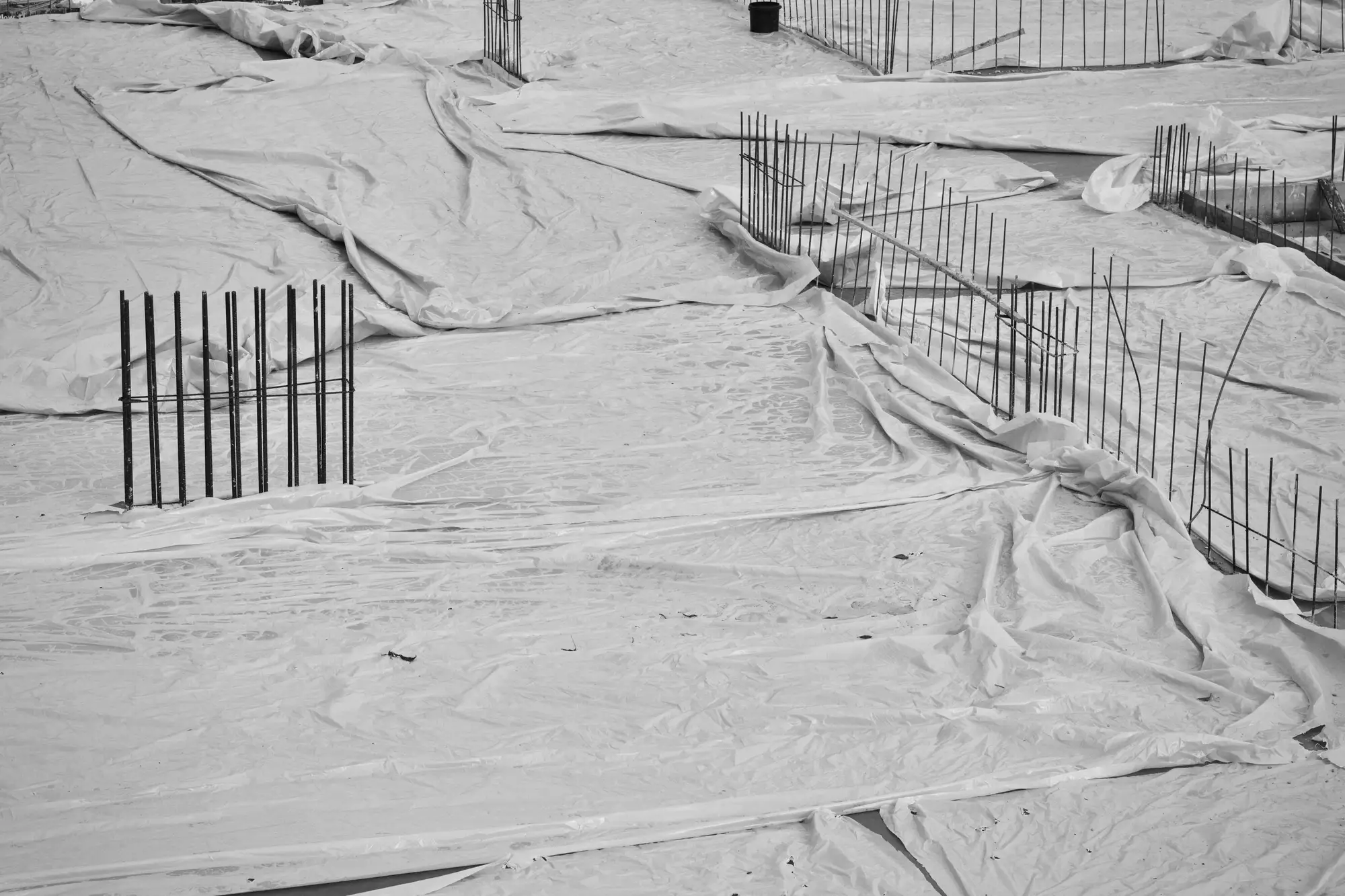
A performance bond is the thing standing between a lender and a half-built building when the general contractor walks off the job. It's a three-party contract: the contractor is the principal, the owner or lender is the obligee, and a surety company guarantees that if the contractor fails to perform, the surety will either complete the work, fund its completion, or pay out up to the bond's penal sum. Most construction loan agreements require one precisely because lenders don't want to be the ones chasing a defaulted contractor through a slow-moving GC's subs and suppliers.
The part people get wrong is assuming the bond pays out the moment a site stalls. A surety has no contractual trigger to act until there's a formal declaration of default, and getting there is its own process with its own paperwork and its own timeline.
What has to happen before a surety steps in
Under the standard AIA and most private bond forms, the obligee has to do a few things before the surety is obligated to respond:
- Declare the contractor in default under the construction contract, in writing, per the notice provisions in that contract.
- Terminate the contractor's right to continue the work, which usually means the owner or lender has to first give a cure period.
- Notify the surety's bond claims department, formally, and give them a seat at the table before hiring a replacement contractor.
Only after those steps does the surety's obligation kick in, and even then the surety typically has an investigation period before deciding whether to complete the project itself, tender a completion contractor, or deny the claim and let it go to litigation. That whole sequence, from "the site went quiet" to "the surety has a completion contractor mobilized," routinely runs months. Sureties aren't being difficult; they're protecting themselves against paying out on a default that turns out to be a documentation dispute or a force majeure delay the owner mishandled.
Why the gap between stall and claim matters to you
If you're a workout officer, that gap is where your exposure sits unmanaged. The borrower's monthly draw request can keep looking routine for weeks after the crew has actually left the site, because nobody on the borrower's side has an incentive to be the one who says the word "default" first. By the time you get a declaration-of-default notice drafted and sent to the surety, the foundation's been sitting open to weather for two draw cycles, and the completion contractor the surety eventually tenders is quoting off a site that's degraded since the last real progress report.
For a contractor on the bench waiting for re-tender work, the same gap is lost lead time. Completion contracts on bonded defaults don't get publicly advertised the day the original GC stops showing up. They surface once the surety has gone through its claims process, and by then several other outfits already know the job is live.
The practical fix: watch the site, not the paperwork
None of this changes the legal sequence. A lender still has to declare default properly, give notice, and work through the surety's claims process before completion funding moves. What can change is how early you know the site has gone quiet, independent of what the draw request says.
That's the gap Stalled Project Detection is built around. It's a monthly, per-site flag built from high-resolution satellite passes, looking for the physical signs that say a site has stopped moving: no plant parked where plant was parked last month, no change to the slab or framing, standing water sitting in an excavation that should have been backfilled weeks ago. It flags a site that looks stalled before the borrower's narrative catches up. That's lead time a workout file needs before the obligee-notice clock starts, and lead time a contractor needs to get a bid together before a completion contract goes out. Confirming a contractor default under the bond still runs through the declare-and-notify process above. You can see how the monthly flag works for your portfolio on the Stalled Project Detection site.
If you manage a handful of bonded construction loans or watch a region for re-tender openings, worth a look before the next quiet site costs you another draw cycle.