FileBlog
How to read a GC's monthly progress report for red flags before a draw
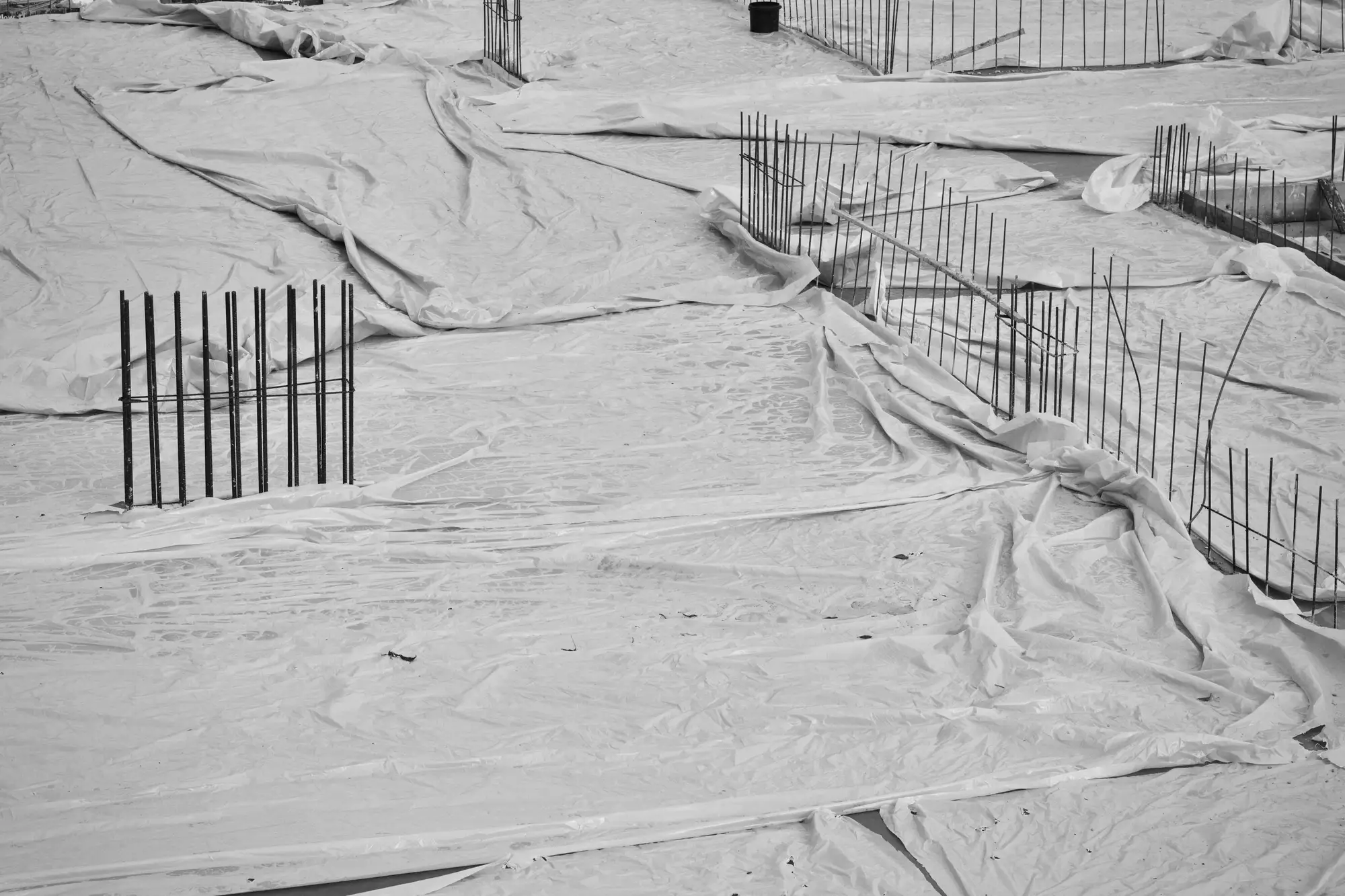
The draw package lands on a Thursday, the schedule of values ties out to the penny, and the narrative section says the project is "progressing as planned." That's exactly the problem. A GC's monthly report is written by the party asking you for money, and a clean-looking package and an active jobsite are not the same fact. Reading the report for red flags means reading it the way an underwriter reads a rent roll: looking for what doesn't add up between the lines, not just whether the lines add up to the total.
Where the numbers stop matching the work
Start with the percent complete column, line by line, against last month's application. Most lines should move in small, believable steps. Two patterns deserve a second look.
The first is a line that jumps 20 or 30 points in a single cycle with no invoice, lien waiver, or delivery ticket behind it. Framing doesn't go from 40% to 70% because the GC felt optimistic. Something got installed, which means something got paid for, which means there's paper. If the paper isn't attached, ask for it before you fund that line.
The second, and the one lenders miss more often, is a line that's been parked at the same percentage for two or three draws running. A GC under cash pressure will sometimes keep a stalled scope at "65% complete" rather than report it flat, because flat invites questions. A percent complete that hasn't moved, paired with a schedule of values that hasn't been revised to explain why, is a stall dressed up as steady progress.
Stored materials claims get the same scrutiny. Materials sitting in a yard or a bonded warehouse should come with a bill of lading, an insurance certificate, and ideally a photo with a date stamp and a recognizable location. A stored-material line that reappears draw after draw without ever converting to installed work means your loan is paying storage fees on a parking lot.
What the narrative section is actually telling you
The written summary is where a GC manages your attention. Watch for language that recurs across two or more draws without resolution: "coordinating with the sub on the curtain wall," "working through a permitting comment," "awaiting a materials delivery." One mention is a normal construction hiccup. The same sentence, reworded slightly, in the next report too, usually means the issue hasn't moved and nobody wants to put a date on it.
Photos deserve the same read. A package with three photos, all from the same angle, all showing the same stack of rebar or the same open excavation, is documentation of a jobsite that looks the same as last month. Check the date stamps against the weather for that week; a photo taken on a dry day used to explain a delay blamed on rain is a small tell, but it's a tell.
A draw review checklist before you sign
Before you approve, run the package against this short list:
- Compare percent complete per line against the prior two draws to catch a slow stall that a single-month comparison misses.
- Flag any line that jumped more than 15 to 20 points without matching invoices or lien waivers.
- Flag any line that's flat for two cycles with no schedule revision explaining why.
- Confirm stored materials have current proof of delivery and location, not a repeat of last month's claim.
- Check the change order log against the schedule. A change order that explains a delay should carry a revised completion date alongside the cost adjustment.
- Cross-check photo dates against draw dates and local weather.
None of this replaces a site visit, but site visits happen monthly at best, and a borrower's report is the only thing filling the gap between them. That gap is exactly where a site goes quiet without anyone upstream finding out until the next draw request. Stalled Project Detection exists to close that gap with a monthly standstill flag pulled from satellite imagery, so you're not relying on the borrower's own narrative to tell you the plant has left the site.
If you'd rather see that flag before the next draw package lands, take a look at how it works.