FileBlog
Notice of default in construction lending: what triggers one
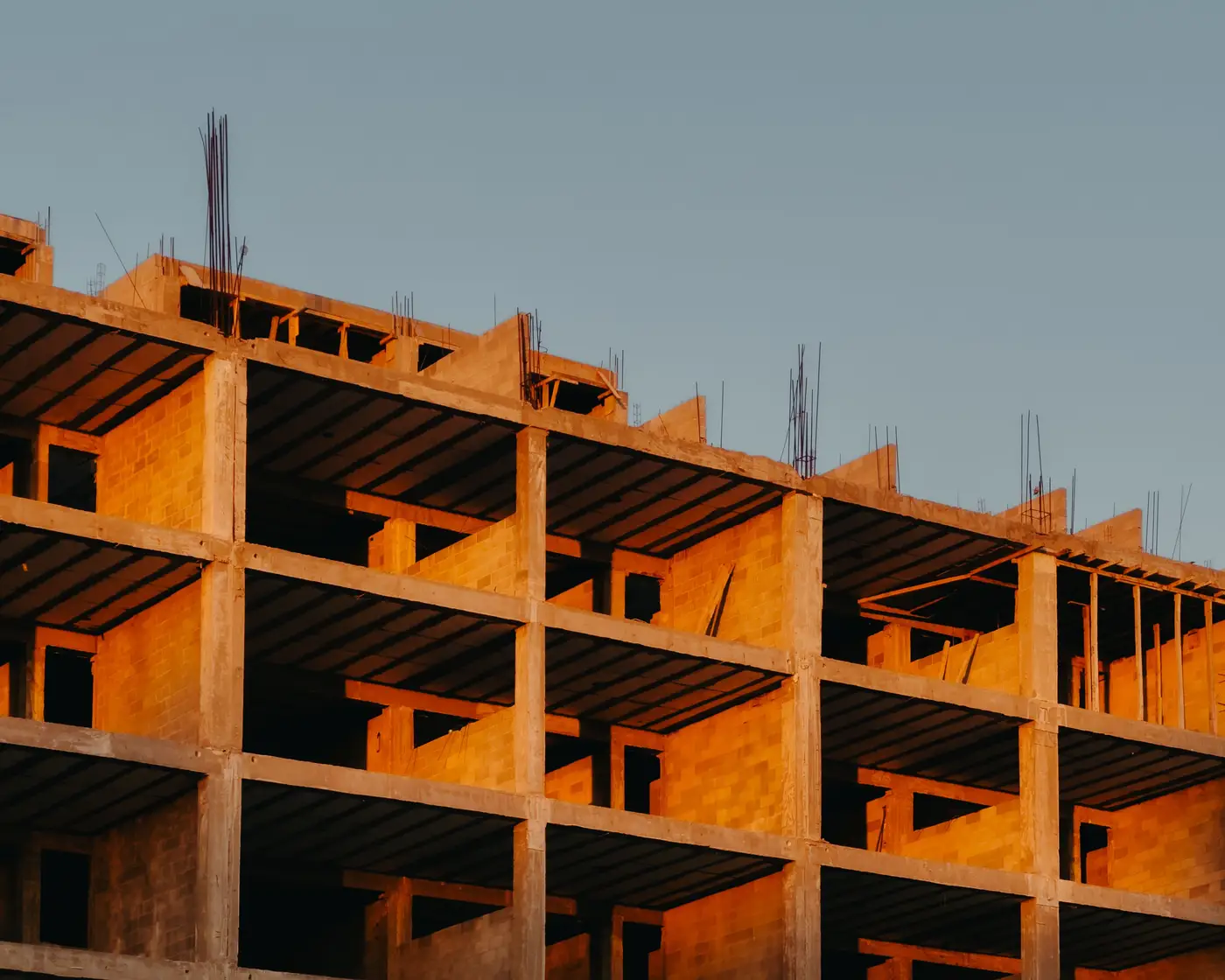
A notice of default (NOD) is the formal letter a construction lender sends once the borrower has breached the loan agreement, whether that's missing a payment, blowing past the completion deadline, or falling out of compliance with the loan covenants. The notice is the document that starts the clock on remedies: cure periods, acceleration, draw stoppage, and eventually foreclosure or receivership if the borrower doesn't fix the problem in time.
Construction loans default differently than a stabilized mortgage. There's no tenant paying rent to miss. The default usually surfaces somewhere in the draw process, the inspection reports, or the completion schedule, which is part of why these files are harder to catch early than a straightforward payment default.
Monetary default vs. covenant default
Loan documents split defaults into two buckets, and the distinction matters for how fast a lender needs to move.
A monetary default is easy to spot: the borrower missed an interest payment, didn't fund a required equity contribution, or let a mechanic's lien sit unpaid past the deadline in the loan agreement. The servicing system flags it the day the payment fails to clear.
A covenant default is murkier. These are the non-monetary promises baked into the loan agreement: maintain the construction schedule, keep the project insured, don't swap the general contractor without lender consent, stay within the approved budget, hit the completion date. A covenant default can sit undetected for weeks because no missed statement triggers it. The borrower just has to stop doing what they agreed to do, and if nobody's watching the site, nobody notices until the next draw request or inspection surfaces it.
That gap is where most construction workout files start late. A borrower who's three draws behind on actual progress, or who quietly let the GC walk off the job, isn't going to call and self-report. The covenant default gets discovered, not disclosed.
When a lender issues the notice
Issuing an NOD isn't automatic the moment a covenant slips. Most workout groups follow a sequence before the formal notice goes out.
First, someone identifies the trigger: a missed payment, a draw request that doesn't line up with the inspecting engineer's percent-complete number, an expired insurance certificate, or a completion date that's already passed with the project nowhere close to done.
Then comes verification. For a monetary default that's a formality; the payment either showed up or it didn't. For a covenant default tied to construction progress, verification often means sending someone to the site, or waiting on the next scheduled inspection, which can trail what's happening on the ground by two to four weeks.
Once the breach is confirmed, legal or the workout group drafts the notice, cites the specific section of the loan agreement that's been violated, and sends it to the borrower and any guarantors. That notice opens a cure period.
Cure periods on a construction loan
The cure period is the window the loan documents give the borrower to fix the default before the lender can accelerate the note or pursue other remedies. For monetary defaults that window is usually short and fixed, often five to ten days, because there's nothing to investigate.
For covenant defaults tied to construction, cure periods tend to run longer, sometimes 30 days, because fixing a stalled schedule or a budget overrun takes more than wiring money. The borrower may need to remobilize a contractor, get a revised schedule approved, or bring in additional equity. Loan agreements often build in that extra time precisely because getting plant back on site doesn't happen overnight.
Here's what costs workout groups money: the cure clock usually starts when the notice is issued, not when the problem actually began. If a project sat idle for six weeks before anyone flagged it in a draw review, that's six weeks of collateral value eroding before the cure period even opens. The later a lender catches the stall, the later the clock starts, and the worse the position looks by the time remedies are on the table.
That's the practical case for catching a stalled site before the borrower's own progress report tells you about it, rather than waiting on the next scheduled inspection or draw cycle to find out plant left the site weeks ago. Stalled Project Detection checks whether a site is moving month to month, independent of what the borrower submits, so the notice of default conversation starts closer to when the project went quiet.
If your book of construction loans is big enough that you can't eyeball every site every month, that's worth a look.