FileBlog
No plant on site: what it actually means for a construction loan
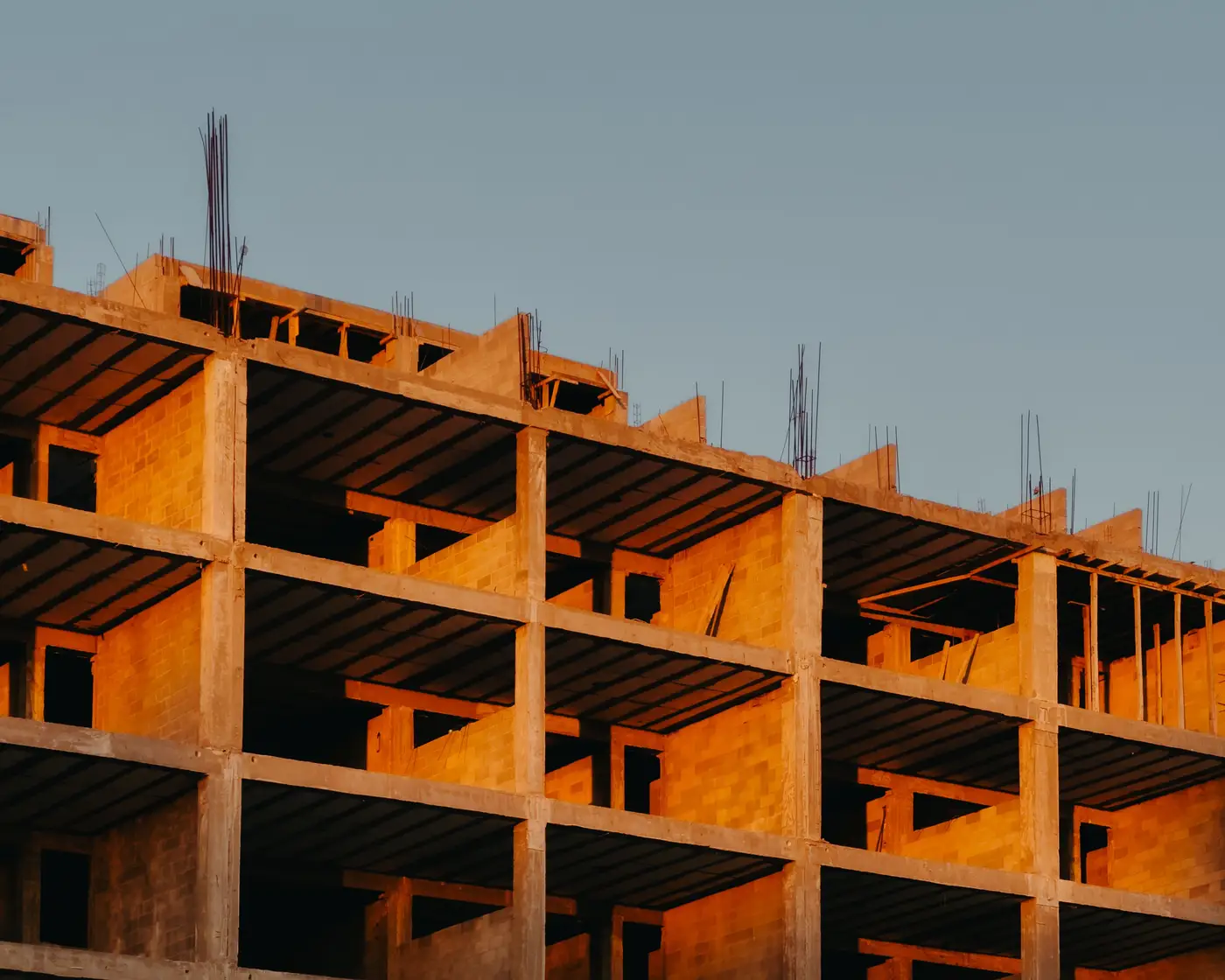
A borrower's monthly report says "on schedule." The site photo attached to it shows the same excavator parked in the same spot it was parked in last month. That gap, between what the report claims and what the equipment is doing, is the whole problem with relying on self-reported progress.
"No plant on site" is a specific, checkable condition. It means the equipment a job needs at its current phase, excavators during earthwork, tower cranes during vertical construction, concrete pumps on pour days, isn't there. Not idle. Not parked for the day. Absent across a stretch of time long enough that it can't be explained by a single rain delay or a Monday holiday.
Why equipment absence is a distress signal
Plant on site costs money whether it's working or not. A GC pays rental or finance charges on an excavator by the week, and a crane crew isn't cheap to mobilize twice. Nobody leaves a crane sitting idle on a live job unless something upstream has stopped: a sub walked off over unpaid invoices, a materials order is stuck, a change order dispute has frozen the schedule, or the GC is quietly reallocating crews to a job that's paying.
That's why plant absence tends to show up before the paperwork does. A borrower has every incentive to report "minor delay, resuming next week" for as long as that story holds up. Equipment doesn't have an incentive. If it's gone, it's gone for a reason, and the reason is usually financial or contractual, not logistical.
For a workout or special-situations officer, the practical question isn't "is the borrower lying." It's "how many draw cycles does this site go quiet before I find out from the report instead of from the ground." A borrower's report is written to get the next draw approved, not to flag the thing that would stall it.
How to read plant activity on a job site month to month
Reading plant activity means comparing the same site against itself over time, pass after pass. A few things worth tracking:
Mobilization versus demobilization timing. Plant should scale with phase: earthwork equipment should thin out once foundations are poured, vertical equipment should show up once they are. Equipment that disappears and never gets replaced by the next phase's gear is a different signal than equipment that's simply been swapped out on schedule.
Standing water in excavations or foundations. An open excavation that's pooling water pass after pass usually means nobody's been down in it, pumping, grading, or otherwise working it, in weeks.
No visible change to the site footprint. Stockpiles in the same place, same trench outline, same roofline, across two or three consecutive passes is a stronger signal than a single quiet month. One slow month happens. Three in a row, with no plant to explain it, is a pattern.
None of this replaces a site visit or a call to the GC. What it does is tell a workout officer which sites are worth that call this month, instead of working off borrower self-reports that arrive exactly when the borrower wants them to and say exactly what the borrower wants them to say.
What this means for lenders and for contractors chasing re-tenders
For a lender, a site that's gone quiet without explanation is the first input into a distress file, not the last. Catching it a draw cycle or two earlier than the borrower's narrative volunteers it means more time to ask questions, request documentation, or get boots on the ground before the next advance goes out.
For a contractor watching the market for re-tender openings, the same signal reads the other way. A stalled site with no plant moving is a job that may be coming back out to bid, and the contractors who hear about it from a borrower's own announcement are hearing about it last.
Stalled Project Detection turns this into a monthly, per-site flag built from high-res satellite imagery. The standstill flag catches a quiet site ahead of the next draw report, instead of waiting on whatever the borrower chooses to put in it. If no plant on site is the question you're already asking about a handful of loans in your book, this is built around that question.