FileBlog
Field notes: the site we almost closed the file on, until the crane came back
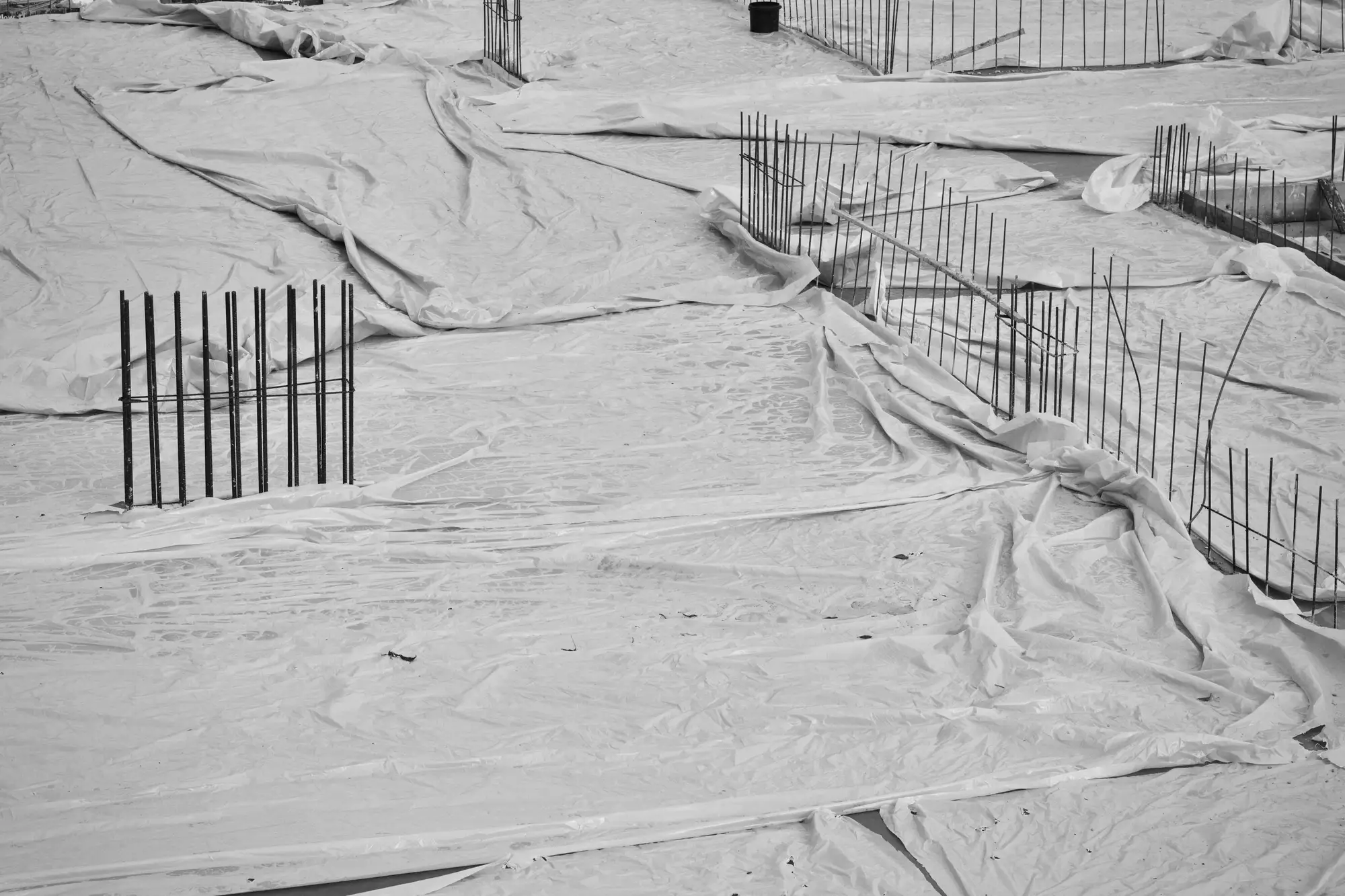
I had a file on my desk for the better part of a quarter where the only thing moving was the paperwork. Draw requests still came in on schedule. The borrower's monthly narrative kept using the same three sentences with the dates changed.
"Progressing as planned." "Minor weather delays." "Anticipate resuming full crew next period." You read enough of these and you start to recognize when a report is describing a site and when it's describing a hope.
What I didn't have was a reason to drive four hours to look at a foundation pour that, on paper, was still on track. So I didn't. That's the part I want to be honest about, because it's the part that almost got expensive.
The tell, when I finally did get eyes on it through a site visit a contractor flagged for an unrelated reason, wasn't dramatic. No collapsed trench, no abandoned equipment auction. Just stillness. The silt fence was still up but sagging in the same spot it had been sagging in for weeks. The laydown yard hadn't been touched. There was a puddle in the excavation that had clearly been there long enough to grow a skin of algae, which tells you something no narrative report ever will: nobody has pumped that hole in a while, because nobody's been down in it.
We caught it because the contractor happened to mention it in passing. Our process didn't flag it; luck did. That's the uncomfortable truth about relying on borrower reporting for distress signals. The borrower is the last person with an incentive to tell you the job has stalled. Admitting it triggers conversations they'd rather delay, and a slow bleed doesn't feel like news until it's a default notice.
The crane coming back, three weeks after that visit, was almost worse in a way. It meant the general had quietly swapped subs, absorbed a cost overrun nobody disclosed, and gotten the job moving again without ever once flagging the gap to us. Good outcome. Bad process. We found out the site was dead by accident, and we found out it was alive again the same way. Neither one came through the channel that's supposed to tell us.
I've talked to enough workout officers at other shops to know this isn't an isolated habit. Everyone's running the same math: a portfolio of twenty, forty, eighty construction loans, a site visit budget that covers maybe a third of them on any given quarter, and a borrower report that's the only signal for the rest. The sites that go quiet between visits are the ones that cost you, because by the time you notice, you're not managing early-stage distress anymore. You're managing a workout.
What stuck with me from that file was how little it would have taken to catch it sooner: a monthly check that didn't depend on anyone deciding to call me. That's the gap Stalled Project Detection is built to sit in: a standing water line that didn't recede, a site that looks the same this month as it did last month, flagged before the narrative report has a chance to paper over it.
I still read the borrower's monthly updates. I just don't treat them as the whole picture anymore. The site tells you things the report won't, and lately I'd rather hear it from the site first.
If you'd rather know a job's gone quiet before the next draw request lands, that's the whole point of what we built.