FileBlog
Signs a GC has left the job, before the draw report says so
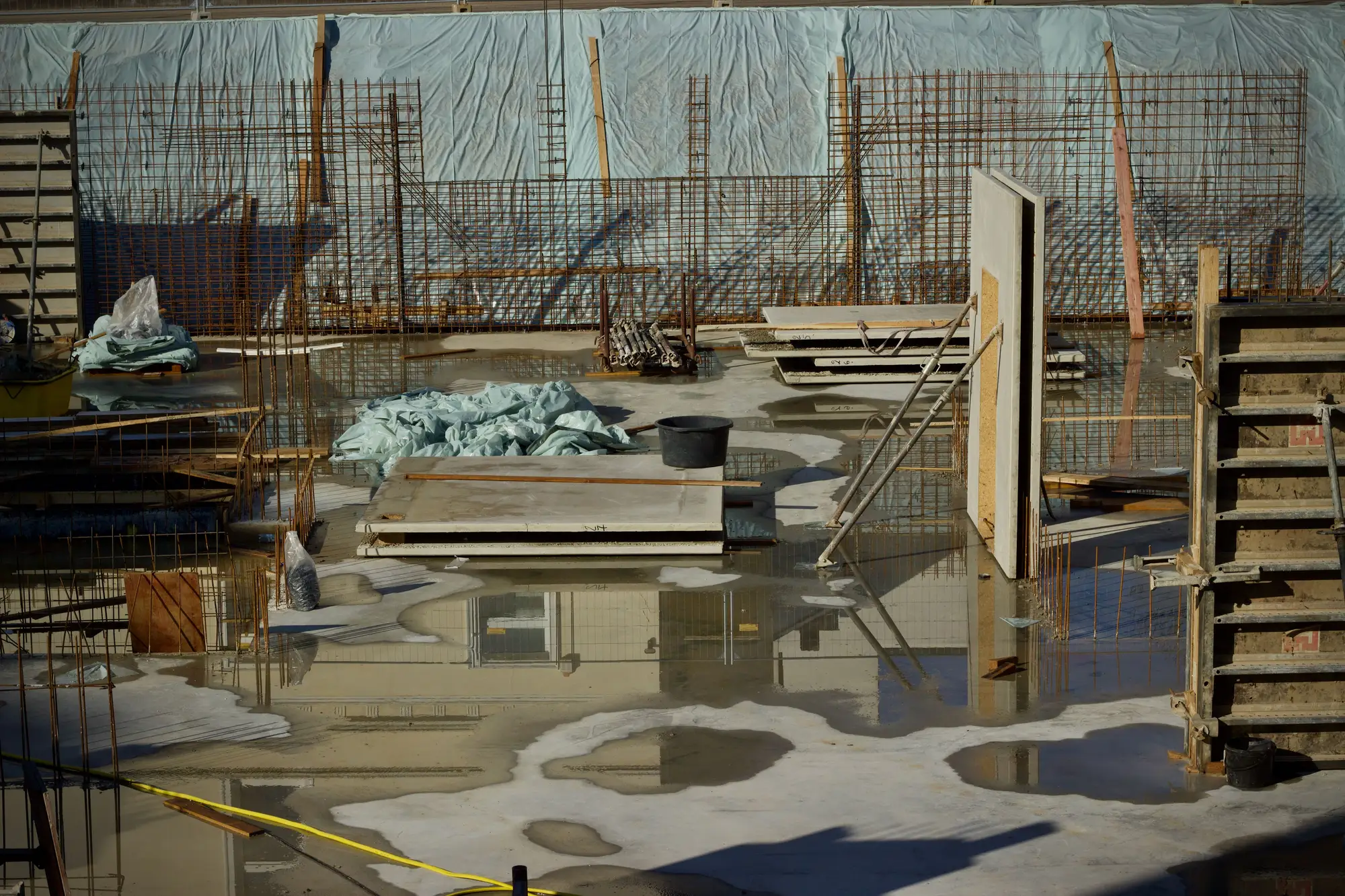
A construction loan runs on trust in the draw schedule, and that trust has a lag built into it. The borrower submits a progress report, the GC's super signs off on percent-complete, and the bank releases funds against work that was supposedly done in the weeks before. If a GC walks off the job on day one of that cycle, you won't hear about it until the next draw request lands on your desk, sometimes thirty or forty-five days later. By then the sub-trades are gone, the site has sat exposed to weather, and the borrower is either scrambling to find a replacement contractor or already past due on something else that made the GC walk in the first place.
The gap between "the GC left" and "the bank found out" is where exposure grows. Here's what tends to show up on-site during that gap, and what it usually means.
Signs a GC has left the job
No plant on site. A crane, excavator, or man-lift sitting idle for a week on an active job is normal. Sitting idle for three or four weeks, in the same position, is not. Equipment that's been demobilized (flatbedded out) rather than just parked is a stronger tell.
Nothing's changed since the last pass. Framing at the same stage, the same stack of lumber under the same tarp, the same excavation open and unbacked. Construction sites are messy by nature, but the mess should move. A site that looks identical to a photo from six weeks ago has stopped.
Standing water in the excavation. An open foundation or basement cut that's been pumped and kept dry is being actively worked. One that's filled with standing water, especially after more than one rain event, tells you nobody's been back to deal with it. This is one of the cleaner indicators because it has nothing to do with interpretation. The water is either there or it isn't.
Dumpster and portable toilet service stops. Haulers invoice by the pull. If the dumpster hasn't been swapped and the porta-john hasn't been serviced in a month, there's no crew generating waste to justify the service call.
No material deliveries. Rebar, lumber, MEP rough-in stock. A job that's progressing pulls material in waves. A job that's stalled stops pulling anything.
Sub-contractor trailers and signage disappear. Electrical, plumbing, and mechanical subs often park a trailer or stage material on-site while they're active. When those disappear without a punch list being closed out, it usually means they walked with the GC, not after them. Subs rarely stick around once they've heard the GC isn't paying.
Security and fencing go unattended. A locked gate is fine. The same padlock, same rust streak, same unswept entry for weeks running is the version that matters. Vandalism, scrap theft, or a knocked-down fence panel that never gets fixed is a site nobody's checking on, not even to secure it.
Why the draw report won't tell you first
None of this is secret information. A GC walk-off usually means a liquidity problem, a dispute over change orders, or a lien about to get filed. Borrowers who are already stressed often spend the thirty days before the next draw trying to re-engage the GC or line up a replacement, and they have no reason to call the bank until that effort succeeds or fails. Some manage it before the next submission and the gap never shows up in your file at all. Others can't, and you find out when the draw request comes in with a percent-complete number that doesn't match anything a site visit would confirm.
Monthly site visits by a workout officer or inspector would catch this, but few portfolios can staff a physical drive-by on every active loan every month. The signs above are easy enough to read. The gap is that nobody's looking often enough to read them before the borrower's version of events arrives first.
A monthly outside check on each site, run against the previous month's pass, closes most of that window without adding a drive-by to anyone's calendar. Stalled Project Detection flags the standstill the same month it happens, straight from the imagery, before any draw paperwork gets written.
If your draw schedule is the only thing standing between you and finding out a site's gone quiet, it's worth seeing what a monthly flag on your own parcel list looks like.