FileBlog
Idle equipment or a demobilized job site: what satellite imagery can and can't tell you
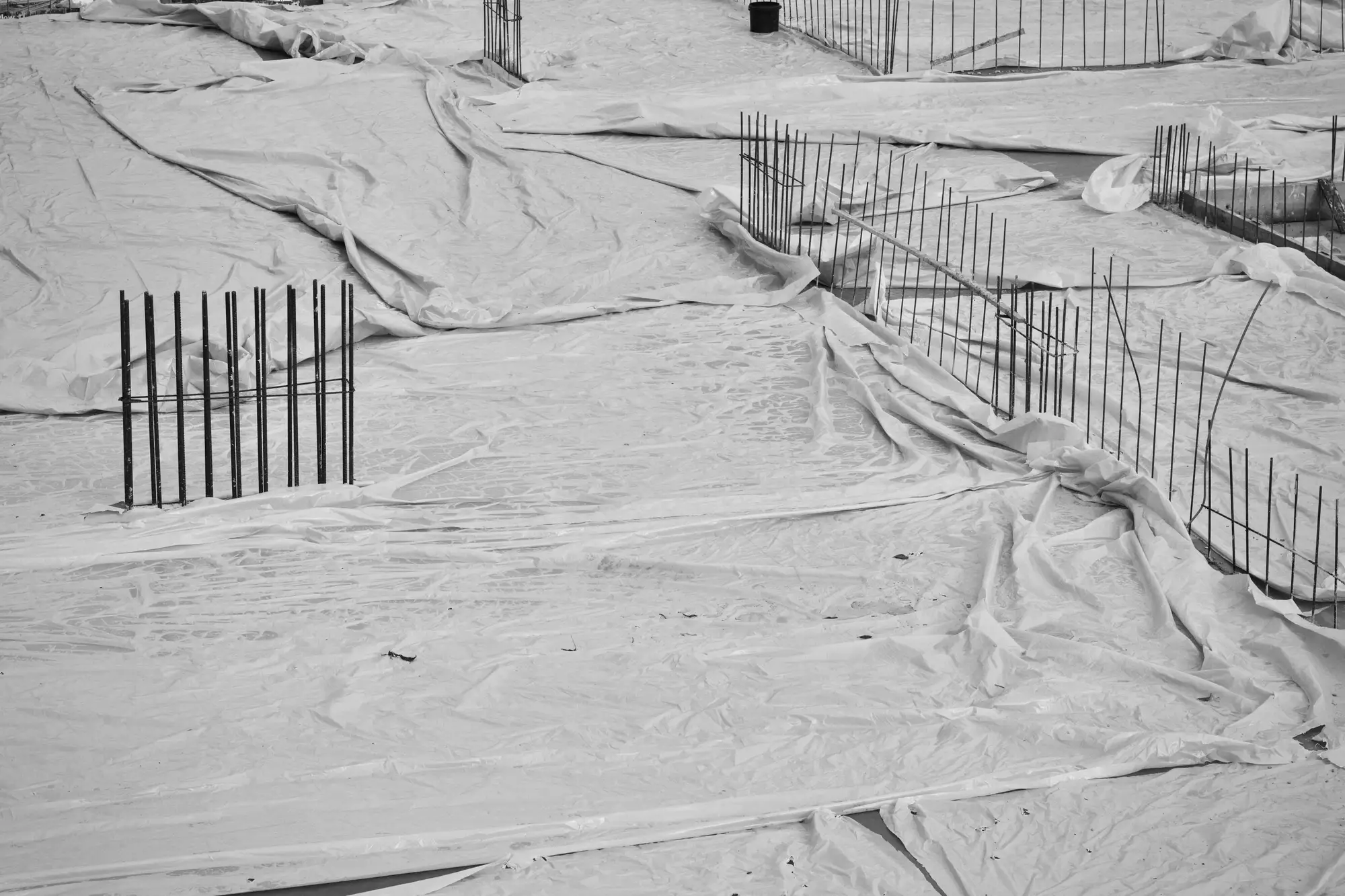
A crane parked in the same spot it was last month doesn't automatically mean the borrower walked off the job. Equipment sits idle for a dozen boring reasons: a rain week, a permit hold, a subcontractor waiting on a material delivery that's stuck on a barge somewhere. The question that actually matters for a workout file isn't "is that excavator moving right now." It's whether the site as a whole has stopped changing across passes, and whether the things that usually leave with a crew have left.
What a single still frame can't tell you
One satellite pass, by itself, is nearly useless for this call. A crane with its boom down and no one visible next to it looks identical whether the crew broke for lunch, broke for the holiday, or broke for good three weeks ago. You tell idle equipment from no plant on site by lining up this month's pass against last month's and the month before that, not by judging one frame on its own.
What stayed exactly the same between passes is the real signal. A foundation that was 60% poured in August and is still 60% poured in October, with the same trailers in the same footprint and the same stockpile at the same height, is telling you something a single photo of a quiet crane never could.
The signs that separate "slow week" from "demobilized"
A few things tend to show up together when a site has gone through a real demobilization, as opposed to just having a slow stretch:
- The trailers and support equipment are gone, not just idle. Idle means the crane is still there and hasn't moved. Demobilized means the crane, the office trailer, and the material laydown are all physically off the parcel.
- No new cuts, pours, or fill between passes. Active jobs change shape month to month even during slow stretches, grading here, formwork there. A site with zero earthwork movement across two or three consecutive passes is past "slow."
- Stockpiles stop turning over. Aggregate, rebar bundles, and lumber stacks that don't shrink or get replenished for multiple passes usually mean nobody's drawing from them.
- Standing water collects in the excavation. An active foundation gets pumped. Water pooling in a hole and staying there pass over pass is one of the more reliable tells of an unattended site, because it requires someone to not be there to let it happen.
- The access road and laydown yard start to soften. Entrance roads that were sharp-edged in one pass and show vegetation creeping in two passes later signal disuse.
- Perimeter fencing and gates go unmaintained. A gate that's been left open, or fencing down in the same spot for multiple passes, suggests nobody's securing the site, which an active job always does.
None of these individually prove abandonment. A pumped excavation that goes unpumped for one pass could just be a scheduling gap before backfill. But two or three of these stacking up across consecutive monthly passes, with no plant movement to go with them, is a different story than a crane that happens to be parked when the satellite goes over.
Why this matters before the borrower's monthly report lands
Most lenders find out a site has gone quiet because the borrower's own progress report says so, weeks or sometimes a full draw cycle after the fact. A borrower in distress has every incentive to describe a stalled site as "temporarily paused for weather" for as long as that story holds. Comparing consecutive imagery passes doesn't depend on that narrative. It just shows whether the site changed.
That's the gap Stalled Project Detection is built to close: a per-site monthly flag built from high-res satellite passes that compares what's on the ground now to what was there last pass, so a workout officer isn't relying on the borrower's own account to learn a site has stopped moving. If you're carrying a book of construction loans and want that comparison running in the background every month, that's worth a look.