FileBlog
What is a standstill period in a construction loan workout?
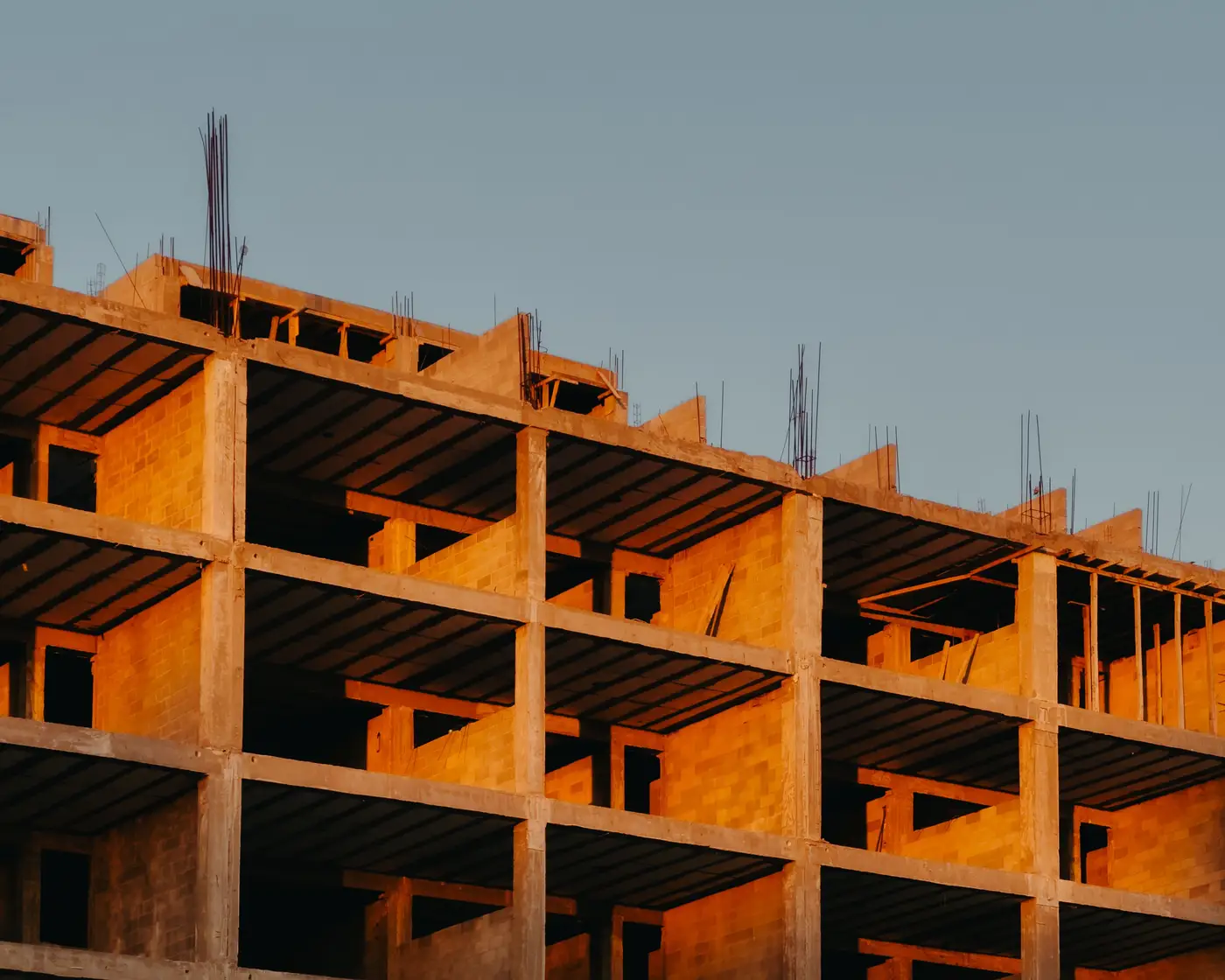
A standstill period is the window in a workout where the lender agrees to hold off on remedies, usually acceleration and foreclosure, while the borrower works through whatever triggered the default. The lender formalizes that pause in a standstill agreement, with conditions attached, rather than waiving the default outright or extending new financing.
Most standstills show up after a monetary default (missed interest reserve draw, failed completion guaranty call) or a covenant trip (loan-to-cost out of balance, completion date blown). Rather than accelerate right away, the lender's workout group buys time to see if the project can be salvaged, refinanced, or sold before anyone files anything. The standstill is the vehicle for that time.
What a standstill agreement actually contains
A standstill agreement is a contract layered on top of the original loan documents. It typically covers:
- The standstill period itself. A defined start and end date, often 60 to 180 days, sometimes shorter if the lender wants frequent checkpoints.
- Forbearance from specific remedies. The lender names exactly which rights it's holding back on (acceleration, foreclosure, appointment of a receiver) rather than giving a blanket pass.
- Conditions the borrower has to meet. Continued interest payments, a capital infusion, a revised budget, or hitting named construction milestones by set dates.
- Reservation of rights. Language making clear the lender isn't waiving the default, just choosing not to act on it for now. This matters if the deal falls apart and the lender needs to move to foreclosure without starting from zero.
- Reporting requirements. Updated draw schedules, inspector reports, sworn statements, sometimes more frequent than the loan documents originally called for.
- A default-within-the-default clause. If the borrower misses a standstill condition, the forbearance ends automatically or on short notice, and the lender's original remedies come right back.
None of this requires the lender to believe the project will finish. A standstill can also be the first step toward an orderly exit, giving the borrower a defined runway to bring in a buyer or hand over the keys without a contested foreclosure.
Standstill vs. forbearance vs. modification
These three terms get used loosely and it's worth keeping them straight, because workout officers draft differently depending on which one they mean.
A forbearance is the broader umbrella term: any agreement where the lender holds back on exercising a remedy it's otherwise entitled to. A standstill is a type of forbearance, specifically one built around a time-boxed period rather than an open-ended one.
A loan modification changes the underlying terms permanently, interest rate, maturity date, draw mechanics, and doesn't require an existing default to make sense. A standstill assumes a default has already happened or is imminent, and it's temporary by design.
In practice, a standstill often comes first. The lender needs breathing room to figure out whether the right fix is a short forbearance, a full modification, a discounted payoff, or just letting the deadline run and moving to remedies. The standstill agreement is the document that buys that evaluation time without anyone losing their rights in the meantime.
Why the standstill period matters for what's happening on site
The whole point of a standstill is conditional: keep making progress, keep the lender informed, and the forbearance holds. Which means the lender's actual exposure during that window depends entirely on whether the site is still moving. A borrower can hit every reporting deadline on paper, send inspector reports, submit draw requests, and still have a crew that's shown up twice in six weeks.
That's the gap a standstill period quietly tests. The borrower's own reporting tells you what they want you to see. It doesn't tell you there's no plant on site, that the same pour has sat untouched for two passes running, or that water's been standing in the excavation since the last inspection. Stalled Project Detection flags exactly that kind of standstill, on the ground, from monthly satellite passes, so a workout officer isn't waiting on the borrower's next report to find out the site already quit moving.
If you're managing a book of standstill agreements and want a second read on what's actually happening at each address, see how Stalled Project Detection flags it.