FileBlog
What is a completion guaranty, and when does a lender call on it?
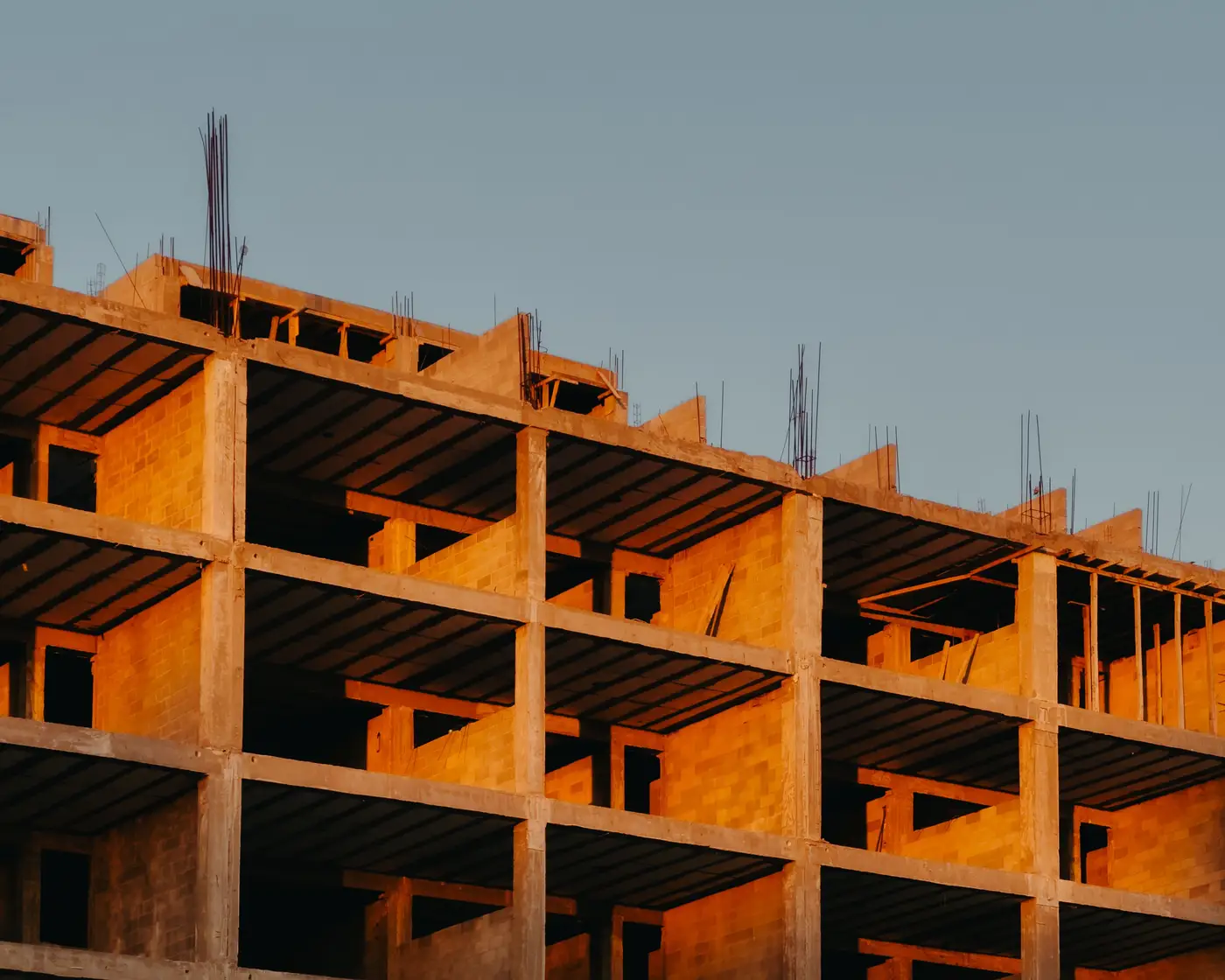
A completion guaranty is the sponsor's personal or corporate promise that the project gets built, regardless of whether the construction budget runs out first. It sits alongside the loan agreement, not inside it, and it's usually the only recourse a lender has once the hard costs blow through the original budget and the borrower entity itself has no assets left to chase.
Most construction loans are non-recourse to the sponsor for repayment. The completion guaranty is the carve-out. It says: if the building doesn't reach lien-free completion, substantial completion, or whatever defined milestone the loan documents use, the guarantor is on the hook to fund the shortfall directly, not just stand behind the loan balance. Some guaranties cover cost overruns only. Others extend to carry costs, interest reserve depletion, or even a full repayment obligation if the project stalls out entirely. The scope lives in the definitions section of the guaranty agreement, and it's worth reading closely, because "completion" in one deal means something different than in the next.
What has to happen before a lender calls on it
Calling a completion guaranty runs through a defined sequence of steps. The construction loan agreement typically requires:
- A default under the loan (missed payment, expired completion date, failure to maintain the construction schedule)
- A cost-to-complete analysis showing the remaining budget won't finish the job
- Notice to the borrower and guarantor, with a cure period baked into the documents
- A formal demand letter once the cure period runs out
In practice, the gap between "the project looks stalled" and "the guaranty gets called" is where most of the damage happens. A workout officer doesn't call a guaranty on a hunch. Legal wants a documented basis: a cost-to-complete report, a lien search showing mechanic's liens piling up, or a borrower's own disclosure that the GC walked off the job. Building that file takes weeks, and those weeks are usually the first anyone at the lender hears that the site stopped moving.
Why the timing problem matters more than the legal language
The guaranty itself is well understood. Construction lending groups have been drafting and enforcing them for decades, and most counsel can tell you in an afternoon whether a given cost overrun falls inside or outside the covered scope. What's missing earlier in the timeline is a way to know the project has stalled before the borrower's monthly draw request or progress report says so.
Borrowers have an obvious incentive to keep submitting draw requests that imply forward progress, right up until the point where the budget gap is undeniable. A sponsor facing a completion guaranty call has every reason to delay that conversation as long as possible. That means the lender's workout group is often working off information that's thirty, sixty, sometimes ninety days stale by the time it reaches a desk. The site may have had no plant on it, no change in the superstructure, standing water sitting in an open excavation, for two or three reporting cycles before the file lands with special situations.
That's the gap this site exists to close. Stalled Project Detection checks each site monthly against high-resolution satellite imagery and flags when nothing has moved since the last pass: no equipment, no progress on the structure, water pooling where there should be a foundation pour. It sits upstream of the cost-to-complete analysis and the legal notice process, giving you the stall date before the paperwork catches up to it.
A sponsor default doesn't start with the demand letter
By the time a lender sends the formal demand on a completion guaranty, the project has usually been stalled for a while. The demand letter documents a default that's already happened. What a workout officer wants is the earlier signal, the point where the site first stopped moving, because that's when the sponsor still has room to negotiate and options are still open. Waiting for the borrower's own report to flag the slowdown means finding out on the sponsor's timeline, not yours.
If you're carrying a book of construction loans and want to know which sites have gone quiet before the next draw request lands, take a look at what a monthly standstill flag can tell you.