FileBlog
Field notes: the site that looked fine in every photo the borrower sent
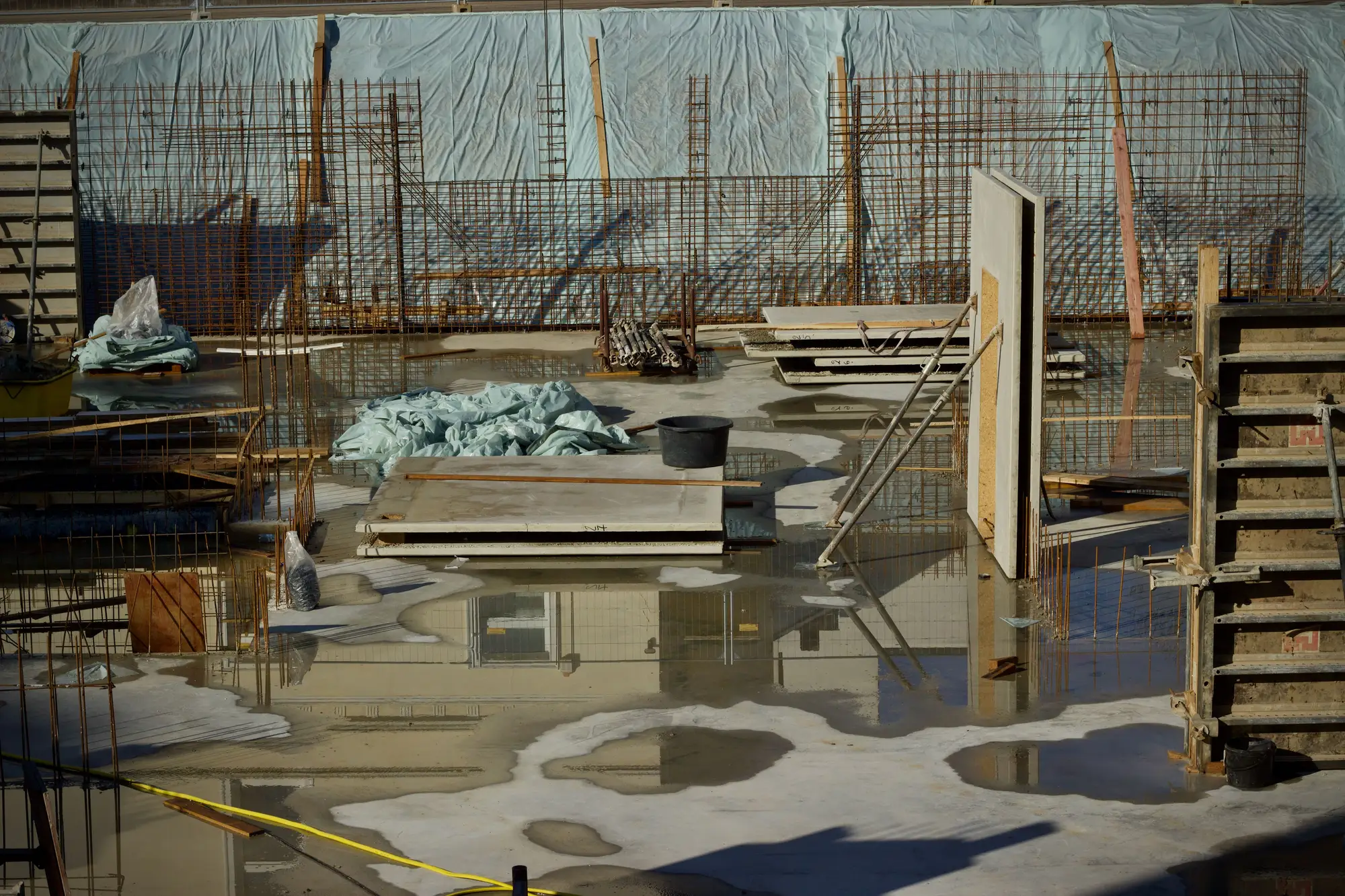
The file had a good photo package. That's the part I keep coming back to.
Monthly draw request, twelve shots, timestamped, geotagged, the superintendent's name on the cover email. Foundation walls in frame one. Rebar cage in frame four. A crane boom cutting across the sky in frame nine, because a crane boom in a photo says "we're still moving" louder than anything else on the page. I signed off on three draws in a row without a second thought because the photos did their job, showing activity. What they didn't show was whether the activity was from that month or the one before it.
I found out by accident, really. A separate loan on the same block needed an inspector out for an unrelated issue, and he walked past the site on his way back to the truck. He mentioned it in passing, almost as a throwaway line in his report: "neighboring site, looks quiet, standing water in the excavation." I pulled the borrower's photo package again that afternoon and looked at it the way I should have the first time, not for what was in frame but for what had changed between frames.
Nothing had. The crane sat in the same spot each time, the form panels stacked against the north wall in the same count, the shadows falling at the same angle as if the shots had been taken minutes apart. Someone had shot the site once and submitted it three times as three separate months. My best guess: the super had a bad month, didn't want the conversation that comes with reporting a bad month, and figured the work would resume before anyone looked closely. Work didn't resume for eleven more weeks. By then the excavation held enough standing water to need its own pump schedule, and the rebar cage I'd admired in frame four was showing surface rust nobody would be happy about at the next inspection.
That's the thing about photos a borrower chooses and sends. They answer a different question than the one you're asking. You want to know "did anything happen this period." The photo answers "does the site look like a site." Those overlap often enough that you stop checking the gap between them, and the gap is exactly where a stalled project lives for a while before anyone has to admit it's stalled.
I've changed how I read draw packages since. I look for the boring tells now: a dumpster that hasn't moved, puddle shapes that match week over week, the exact same vehicle parked in the exact same spot in frame two. None of that is proof. It's a reason to pick up the phone before you release the next draw, which is a much better moment to find out a site has gone quiet than the one where your GC calls asking if you've heard anything.
What I actually wanted, going through that file a second time, was something that didn't depend on anyone choosing what to photograph. A monthly pass over the parcel that doesn't care what story the draw package is telling. That's closer to what a standstill flag built from satellite imagery gives you: a check on whether anything moved against the site's own last pass, independent of who sent what photo and when. It won't tell you why a site stopped. It'll tell you that it did, on a schedule the borrower doesn't control.
I still like a good photo package. I just don't let it be the only set of eyes on the site anymore. If you run draws on anything bigger than a few lots, it's worth seeing what a standstill flag pulled independent of the borrower's own reporting would have caught on that file three months earlier than I did.
Next time a draw package looks a little too consistent, that's worth a second look before it's worth a signature.