FileBlog
Field notes: the winter three sites went quiet, and only one needed a workout
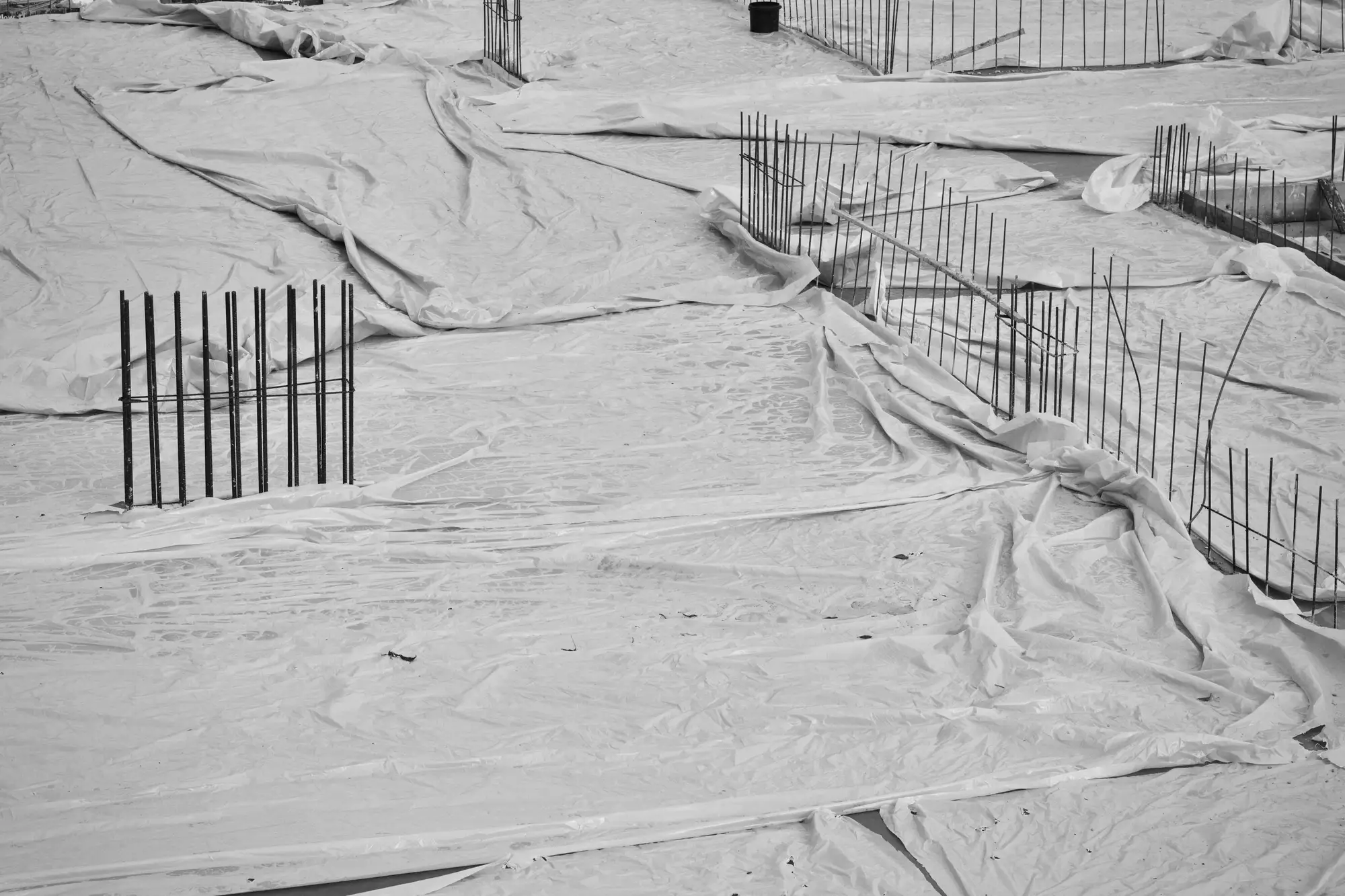
Three sites on the same watch list went quiet within about six weeks of each other last winter. Same region, same rough climate, same stretch of short days and frozen ground. Only one of them turned out to be a real problem.
The first was a mixed-use build on a corner lot, five stories of wood-frame over a concrete podium. Framing had been moving well through October, then the crew vanished the first week of December. No trucks, no dumpster emptied, no change in the stacked lumber on site for almost a month. It looked, from a distance, exactly like distress. A call to the GC's super cleared it up in ten minutes: the framing sub had a crew injury and a lumber order that got bumped behind a bigger job across town, ugly but not a loan problem. They were back by mid-January and caught up the schedule by March.
The second was a single-family infill, foundation poured in November, then nothing. Forms still up, no backfill, no plant on site for seven weeks running. That one was a hard freeze and a contractor who, reasonably, wasn't going to argue with frozen backfill material. Again, not distress. Just a job that knows how to wait out a season.
The third is the one that mattered. A strip retail pad, excavation open since September, and by the time anyone looked closely the bottom of the cut had three feet of standing water in it and had for weeks. No pump, no dewatering, no plant, no material staged, nothing. That's a different signature than a crew taking a planned break. Water sitting in an open excavation through a freeze-thaw cycle means nobody's paying the carrying cost of keeping the site dry, which usually means nobody's got the cash flow to keep going, or the GC and the owner are no longer speaking. That site went to workout in February, while the borrower's own progress report, filed the same month, still said "on track, minor weather delay."
What stuck with me from that stretch wasn't the ratio, one in three, though that's about what you'd expect in a hard winter. It was how similar the first two sites looked from the road to the one that actually mattered. A quiet site in December tells you almost nothing on its own. A framing crew gone for a month could be a labor dispute, a material delay, a holiday shutdown that ran long, or a sponsor quietly walking away. The stillness looks the same from outside. What tells them apart is what's sitting in that excavation, whether the staged material is still staged or has been picked up, whether the fence and the job trailer are still there, and how long the pause runs against what a normal winter pause looks like for that trade in that climate.
That's the part a borrower's monthly report can't give you, because the borrower has every reason to call a seven-week gap "seasonal" right up until it isn't. A standstill flag built off real passes over the site, the kind the landing page for this product walks through, at least gives you the same read on all three sites without waiting on someone else's narrative. You still make the call on whether it's a real problem. But you're making it off what's sitting in the hole, not off a status update written by the person with the most reason to undersell it.
None of this is a case against winter slowdowns being real. Most of them are. The lesson from that stretch was narrower: a quiet site and a distressed site look identical from the curb, and the only way to tell them apart quickly is to check all of them the same way, every month, instead of waiting for the two that look worst to make a phone call.
If your watch list has a few sites that have gone unusually still this season, it might be worth running them past Stalled Project Detection before the next draw request lands on your desk.