FileBlog
Seasonal shutdown or stalled project? How to tell the difference
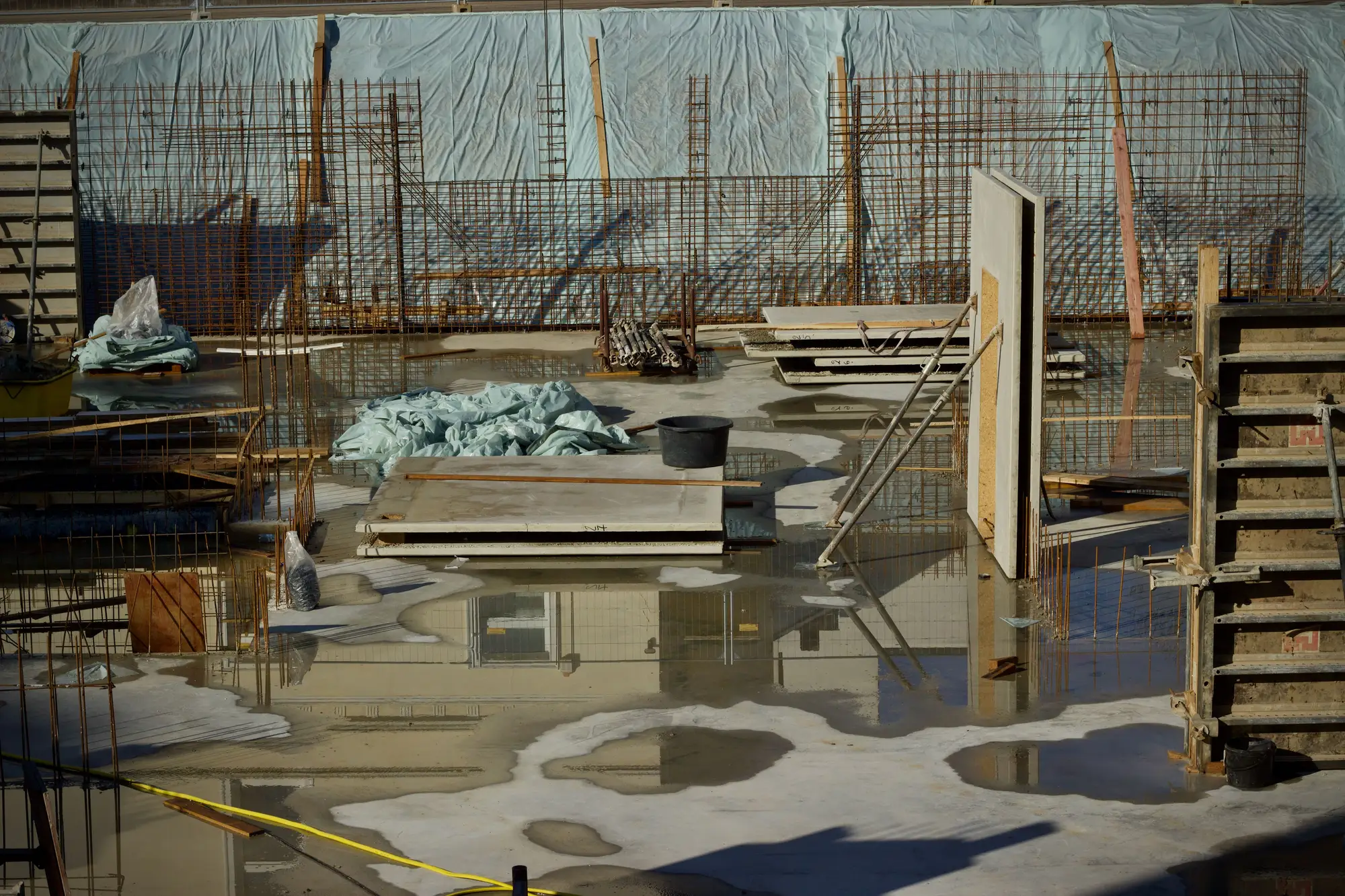
Every December and January, the same question lands on a workout officer's desk: is this site quiet because the super sent the crew home for the holidays, or is this the first sign the borrower's run out of runway? The two look almost identical from the outside. Plant parked. No deliveries. Mud frozen instead of churned. The difference matters a lot to your file, and it's not always obvious from a drive-by or a monthly report that arrives three weeks after the fact.
Here's how to separate the two, and why the calendar alone won't tell you.
What a normal seasonal shutdown looks like
A planned winter shutdown has a shape to it. Equipment gets staged, not abandoned: excavators and loaders parked in a row near the trailer, buckets down, often with tarps or covers if the GC is doing it right. Temporary fencing stays intact. Portable toilets and the job trailer remain on site, because the project team is coming back in four to six weeks and doesn't want to re-mobilize those. Material deliveries stop on a schedule the super usually flagged weeks earlier, so draw requests tend to go quiet in a predictable rhythm rather than trailing off mid-month.
Holiday slowdowns are shorter and messier. A crew might vanish for two weeks around Christmas and New Year's, site security still shows up, and you'll often see a partial return in early January before full crews are back by mid-month. The absence has an end date everyone on the job already knows, and that's the real tell.
What signals distress
Distress doesn't announce itself with a sign on the fence. What you're looking for is the stuff that wouldn't happen on a site anyone intends to come back to on schedule.
Standing water in the excavation is one of the clearest tells. A crew that's planning to resume work in six weeks pumps the hole before they leave, or makes sure drainage is handled, because starting back up in a flooded foundation costs them real time and money. Water sitting there untouched across two or three passes means nobody's thinking about resumption, because nobody's planning on a resumption date at all.
Plant that's disappeared rather than staged is another one. Equipment doesn't get parked neatly, it gets repossessed, sold, or pulled to another job, and the site just looks emptier each time you check. Fencing that's come down or gone unrepaired after a storm, a job trailer that's gone dark or been hauled off, erosion control that's failed and nobody's touched it. None of these is proof on its own. Together, across more than one visit, they stop looking like a holiday and start looking like a borrower who's stopped funding the job.
The hard part is the timing. A shutdown called in November and a stall that started in October both show the same frozen, quiet site in December. The only way to tell them apart is comparing what the site looked like a month ago to what it looks like now, and most lenders don't have that comparison sitting in front of them. The borrower's own progress report is the thing most likely to paper over exactly this gap, since nobody's in a hurry to tell you the crew isn't coming back.
Why your usual sources don't catch this fast enough
A site visit tells you the truth the day you're standing there, and nothing about the three weeks before or after. A borrower's monthly report tells you what the borrower wants you to know, on their timeline. Neither one gives you the month-over-month comparison that actually separates a planned pause from a project that's gone sideways.
That comparison is exactly what Stalled Project Detection is built around: a monthly satellite pass over the site that flags when nothing's moved since the last one, so a standstill shows up on your desk before the borrower's quarterly update tries to explain it away.
If you're carrying a book of construction loans through another winter, it might be worth seeing how that monthly flag looks on one of your own sites.